
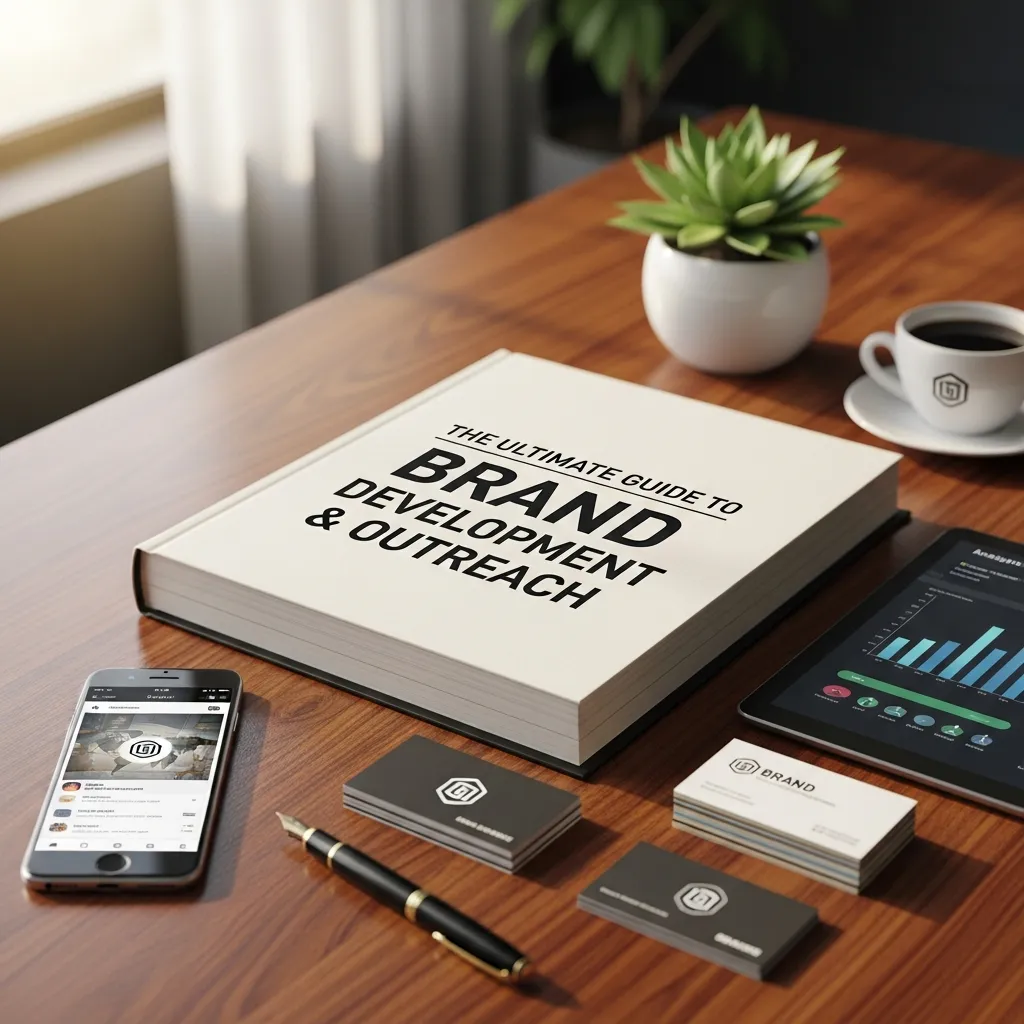
Brand Development & Outreach Learn how to build a strong brand identity, define your audience, craft messaging, and execute outreach strategies using content, SEO, and digital channels to increase visibility, trust, and long-term growth.
Mastering Brand Development and Outreach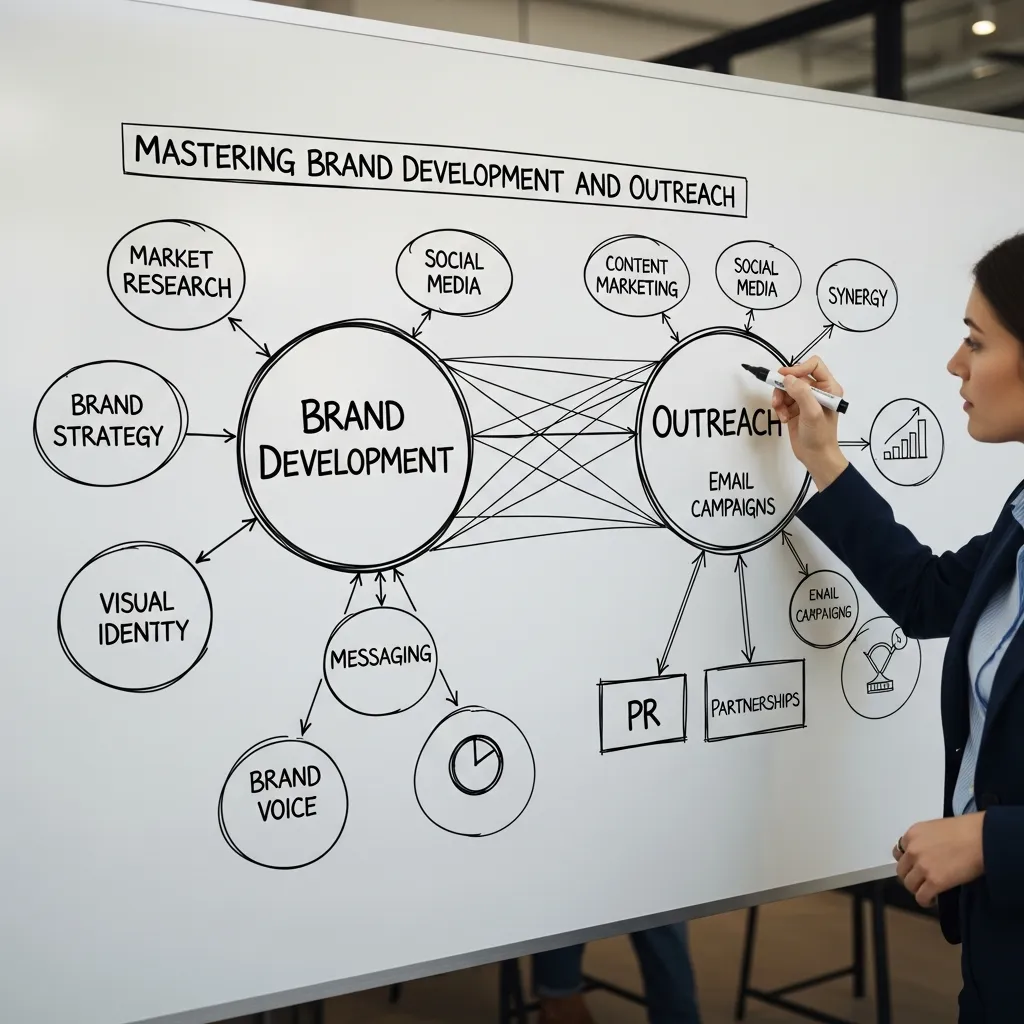
Mastering Brand Development and Outreach
Building a recognizable identity requires far more than a visually appealing logo or a catchy slogan. True brand development is a continuous, strategic process that aligns your company’s mission, values, and voice with the evolving expectations of your target audience. It is about shaping how people feel, think, and respond to your brand at every touchpoint.
A successful brand is not built overnight. It requires consistency, clarity, and adaptability. From your website and social media presence to customer service interactions and offline campaigns, every element must reflect a unified message. This consistency reinforces recognition and ensures your audience can easily identify and trust your brand in a crowded marketplace.
The Power of a Strong Brand Identity
When you establish a strong brand, you move beyond simple transactions and start building long-term relationships. Customers begin to associate your business with reliability, quality, and value. Over time, this leads to increased loyalty, repeat purchases, and word-of-mouth referrals.
A well-developed brand helps you:
- Stand out in competitive markets
- Build emotional connections with customers
- Increase customer trust and credibility
- Command premium pricing
- Create a memorable and consistent experience
Core Elements of Effective Brand Development
To achieve meaningful brand recognition, businesses must focus on several foundational components:
- Clear Brand Purpose
Define why your brand exists and what problem it solves. - Consistent Visual Identity
Maintain uniformity in logos, colors, typography, and design across all platforms. - Strong Brand Voice & Messaging
Develop a tone that resonates with your audience—professional, friendly, authoritative, or innovative. - Customer-Centric Approach
Understand your audience’s needs, preferences, and pain points. - Multi-Channel Presence
Ensure your brand is visible across both digital and traditional platforms.
Strategic Outreach: Reaching the Right Audience
Connecting with your audience means meeting them where they already spend their time. Modern consumers interact with brands across multiple channels, so your outreach strategy must be diverse and well-coordinated.
This could include:
- Targeted mobile alerts and SMS campaigns for direct engagement
- Features in business outreach magazines to build authority
- Social media marketing for awareness and interaction
- Email campaigns for nurturing leads and retention
- SEO and content marketing to attract organic traffic
By combining these channels, you create a holistic brand experience that reinforces your message across different audience segments.
Why Multi-Channel Branding Matters
Relying on a single platform limits your reach. A diversified strategy ensures your brand connects with different demographics and adapts to changing consumer behavior.
Benefits of multi-channel outreach:
- ✔ Expands audience reach
- ✔ Increases engagement opportunities
- ✔ Strengthens brand recall
- ✔ Reduces dependency on one platform
- ✔ Improves overall marketing ROI
Key Strategies for Long-Term Brand Growth
To truly master brand development and outreach, focus on these proven strategies:
- Be Consistent → Maintain the same message across all channels
- Be Authentic → Communicate honestly and transparently
- Leverage Data → Use analytics to refine your strategies
- Engage Actively → Respond to customers and build relationships
- Adapt Quickly → Stay updated with trends and market changes
The Foundations of Brand Development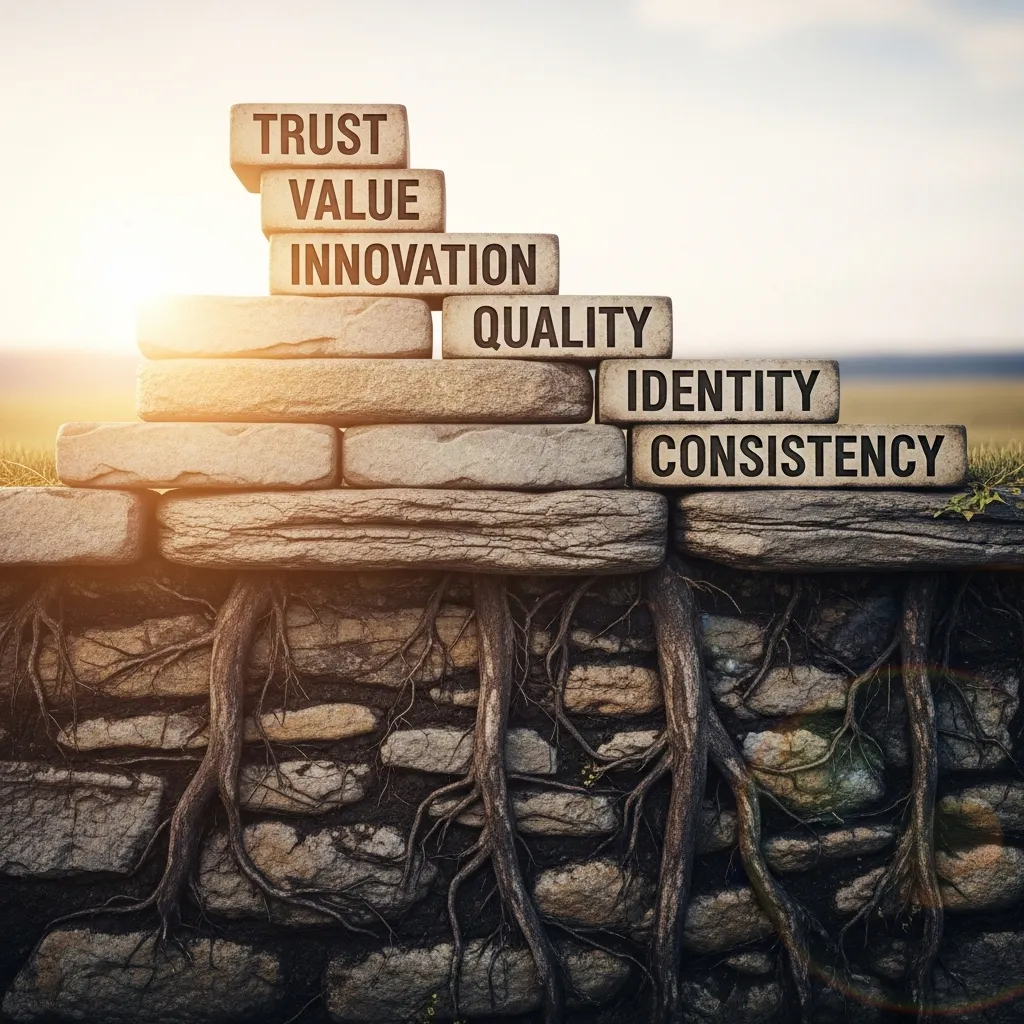
Creating a lasting impression starts with consistency. Your brand development strategy should dictate how your company looks, sounds, and acts in every public interaction. This includes your website, customer service, and advertising efforts.
Understanding fundamental marketing principles is crucial for keeping your brand top-of-mind. You might wonder, what is the 3 rule in marketing? This principle suggests that a consumer needs to hear or see your marketing message at least three times before they take action. By maintaining a consistent presence, you increase the likelihood that potential customers will remember your brand when they are ready to make a purchase.
Leveraging Direct Mobile Communication
As you build your brand, reaching customers directly is highly effective. Many marketers ask, what is the SMS marketing strategy? It is a method of sending promotional campaigns, alerts, and updates directly to a customer’s mobile phone via text message. Because most people carry their phones everywhere, text messages boast incredibly high open rates.
How to do SMS marketing?
Starting a text-based campaign requires a clear plan. First, you need a reliable platform to send bulk messages. Next, you must build a list of subscribers who have opted in to receive your texts. Segment your audience based on their preferences or past purchases so you can send highly relevant offers. Keep your messages short, clear, and focused on a single call to action, such as a limited-time discount or a link to a new product.
What are the rules for SMS marketing? 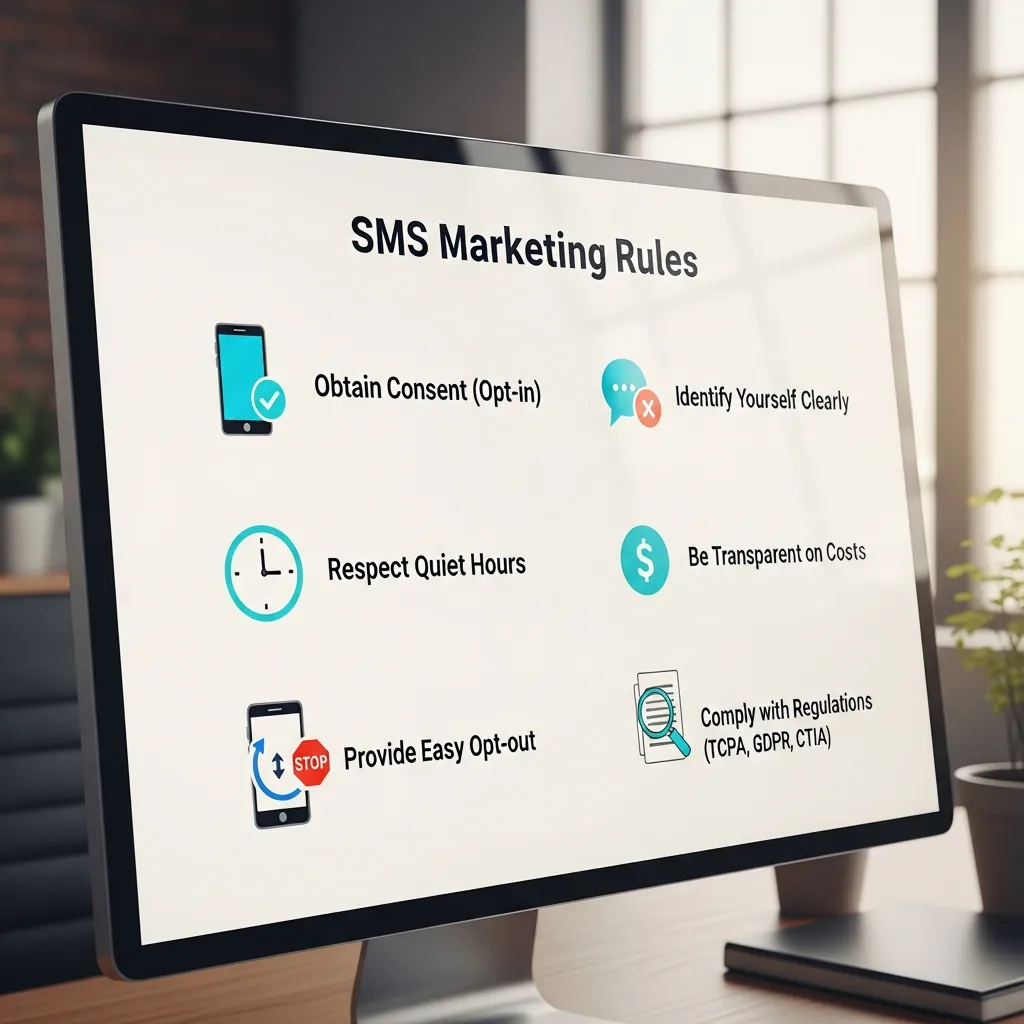
Compliance is non-negotiable when sending text campaigns. You must obtain explicit written consent from customers before sending them any marketing messages. Always provide a clear and easy way for subscribers to opt out, usually by replying “STOP” to a message. Furthermore, respect your audience’s time by only sending messages during standard waking hours. Staying compliant protects your brand’s reputation and prevents costly legal issues.
Keeping up with sms marketing news is also highly recommended. The regulations and best practices surrounding mobile communication change frequently, and staying informed ensures your brand development strategies remain effective and legally sound.
Integrating Traditional Print Media
While digital channels dominate modern marketing, traditional print media still holds a unique advantage—credibility and physical presence. Being featured in a reputable business magazine or placing a well-designed advertisement can instantly elevate your brand’s authority.
Print media creates a sense of trust and permanence that digital ads often lack. Readers tend to engage more deeply with printed materials, especially in professional environments such as offices, conferences, and industry events.
Additionally, print publications often cater to niche, high-value audiences. This makes them particularly effective for B2B marketing, executive targeting, and regional outreach strategies.
Why Print Media Still Matters
- ✔ Builds brand credibility and trust
- ✔ Reaches high-intent professional audiences
- ✔ Offers less competition compared to digital ads
- ✔ Provides longer lifespan (magazines stay in circulation)
- ✔ Enhances multi-channel marketing synergy
Print vs Digital Marketing Comparison
| Feature | Print Media 📰 | Digital Media 💻 |
|---|---|---|
| Credibility | High (trusted sources) | Medium (varies by platform) |
| Audience Targeting | Niche, location-based | Highly customizable |
| Engagement | Deep, focused reading | სწრაფ but often distracted |
| Lifespan | দীর্ঘ (magazines, brochures) | Short (ads disappear quickly) |
| Cost | Higher upfront | Flexible (budget scalable) |
| Measurability | Limited | Advanced analytics available |
Strategic Approach to Print Advertising
If you’re targeting specific regions, conducting proper research is essential. For example, when exploring opportunities like advertising rates in Florida business magazines, consider:
- Audience demographics (industry, income level, decision-makers)
- Circulation numbers and distribution channels
- Ad placement options (full page, half page, sponsored content)
- Cost vs expected ROI
- Brand alignment with the publication
The goal is to find the perfect overlap between your target audience and your budget.
Overcoming Technical Hurdles
Executing a multi-channel brand development strategy requires seamless coordination between software tools, hardware systems, and data platforms. However, technical issues can disrupt your workflow and delay campaigns.
For instance, while setting up a local server or configuring marketing automation tools, you might encounter errors like “Windows can’t communicate with the device or resource.” These issues can halt operations if not addressed quickly.
Common Technical Challenges
- Server connectivity issues
- Software integration failures
- CRM or automation tool misconfigurations
- Network or firewall restrictions
- Data synchronization problems
How to Troubleshoot Efficiently
- Check network connections and DNS settings
- Restart systems and services
- Review firewall and security permissions
- Update software and drivers regularly
- Test configurations in staging environments
- Consult IT professionals when needed
Technical Readiness Checklist
| Area | Key Requirement | Status Check |
|---|---|---|
| Network Infrastructure | Stable and secure connection | ✔ |
| Software Tools | Updated and properly integrated | ✔ |
| Data Management | Accurate and synchronized databases | ✔ |
| Security | Firewall and access controls configured | ✔ |
| Backup Systems | Regular data backups in place | ✔ |
FAQ: The Ultimate Guide to Brand Development & Outreach
1. What is brand development?
Brand development is the process of creating and strengthening your brand identity, including your logo, messaging, values, and overall customer perception.
2. Why is brand outreach important?
Brand outreach helps increase visibility, attract new audiences, and build relationships through channels like social media, email, PR, and partnerships.
3. What are the key elements of a strong brand?
A strong brand includes:
- Clear mission and values
- Consistent visual identity
- Unique voice and messaging
- Strong online presence
4. How can I identify my target audience?
You can identify your target audience by analyzing demographics, interests, behaviors, and customer pain points using tools like analytics and surveys.
5. What are the best channels for brand outreach?
Popular outreach channels include:
- Social media platforms
- Email marketing
- Influencer partnerships
- Content marketing (blogs, videos)
- SEO and paid ads
6. How long does it take to build a strong brand?
Brand development is a long-term process. It can take months or even years depending on consistency, strategy, and market competition.
7. What role does content marketing play in branding?
Content marketing builds trust, educates your audience, improves SEO rankings, and positions your brand as an authority in your niche.
8. How can I measure brand outreach success?
You can track success using:
- Website traffic
- Engagement rates
- Conversion rates
- Social media growth
- Lead generation
9. What are common mistakes in brand development?
Common mistakes include:
- Inconsistent branding
- Ignoring target audience needs
- Weak messaging
- Lack of clear strategy
- Poor online presence
10. How can small businesses improve brand outreach?
Small businesses can:
- Focus on niche targeting
- Use social media effectively
- Collaborate with influencers
- Create valuable content
- Engage consistently with their audience
